
I’ve always wondered what motivates someone to gamble—whether for fun, out of a strange passion, or due to an addiction. I have never fully understood why someone would take a chance on something with unfavorable odds.
If you look up the term, Wikipedia defines it as follows:
“Gambling is the act of risking money or valuables on an uncertain outcome with the primary intent of winning more money or material goods.”
The keyword there is UNCERTAIN.
I am not here to preach about moral obligations when it comes to risking personal assets. There are plenty of scriptures, sermons, and lectures from grandfathers on the subject. Over the course of my life, I’ve bought a few scratch-offs and lottery tickets—probably fewer than I could count on my fingers and toes. Nor am I judging anyone who goes to Las Vegas or Cherokee to play blackjack.
I just feel there are far more reliable ways to build wealth—such as the stock market, mutual funds, or a Roth IRA. They take time, but for the most part, the long-term trend points up.
A History of Blemishes: The Pete Rose Precedent
Gambling in sports has always left a stain on individuals and teams alike.
We all know what Pete Rose did while managing the Cincinnati Reds—and if you don’t, you weren’t around in 1989. Rose placed multiple wagers on his own team and on baseball games. Even though he maintained that he never bet against the Reds, Major League Baseball permanently banned him from the game, barring him from induction into the Hall of Fame in Cooperstown.
Now, sadly, this issue has trickled down to collegiate athletics—specifically the sport I love most: college football.
The Brendan Sorsby Saga
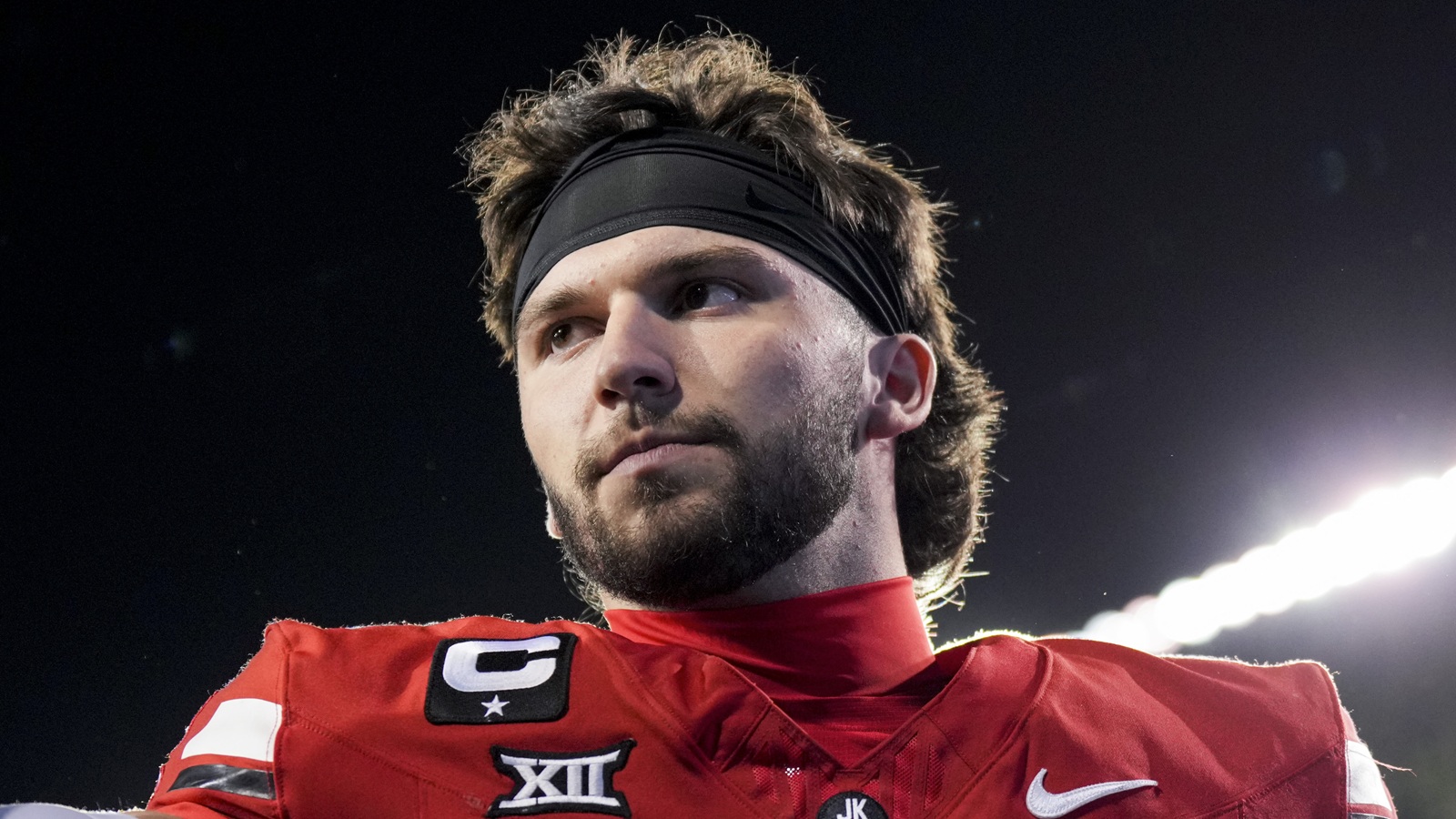
Quarterback Brendan Sorsby is currently at the center of attention across the college football landscape. Having played at Indiana and Cincinnati, he boasts impressive career numbers: 7,208 passing yards, 60 touchdowns, and a 61.4% completion rate.
This past winter, he enrolled at Texas Tech to finish his collegiate career—but that path quickly unraveled:
- April 27: Sorsby entered a residential rehab facility for gambling addiction. Concurrently, reports linked him to an NCAA investigation regarding wagers placed on his former team, Indiana, during the 2022 season while he was on their roster.
- May 18: Following an NCAA ineligibility ruling, Sorsby filed a lawsuit against the governing body. To manage the situation, Texas Tech declared him ineligible for the upcoming 2026 season.
- June 8: A Texas district court judge granted Sorsby a temporary injunction, restoring his eligibility to practice and play for the Red Raiders.
Sorsby admitted to placing 40 wagers on Indiana games (games in which he did not play). I respect the young man for admitting he has a gambling problem, even if the NCAA views the infraction strictly.
Sorsby’s attorneys argued that “the NCAA will suffer no cognizable harm from letting Mr. Sorsby play football”.
Integrity of the Game
In my view, both sides are missing the mark.
On one hand, the NCAA—as a governing body—can outline rules regarding sports betting, but its enforcement power has dwindled significantly since the advent of Name, Image, and Likeness (NIL) laws.
On the other hand, while Sorsby’s attorneys are fulfilling their duty to advocate for their client, at what cost? Does this further damage the integrity of the player and the sport itself?
Ask yourself this:
- Would you want to play for someone who bets on his own team?
- Would you want to play against someone who bets on the opposition?
Reports indicate that several programs and conferences voiced reluctance to play Texas Tech while Sorsby remained on the roster.
The Cincinnati Question
There is also a broader question: Sorsby spent two seasons at Cincinnati. Is it believable that teammates, coaches, and staff had no indication of his gambling activity? Cincinnati essentially allowed it to become Texas Tech’s burden. If any institution warrants further scrutiny regarding oversight, it is Cincinnati.
Moving Forward
Sorsby declared his intention to forgo his senior season and enter the NFL supplemental draft. While this moves Texas Tech out of the legal spotlight, he faces a steep hill to clear his name, as professional leagues maintain strict gambling policies.
The broader reality is that college athletics currently operates without a centralized governing authority capable of regulating this new era. Young student-athletes are suddenly exposed to immense financial opportunities and gambling access without adequate guardrails.
At some point, personal accountability must take over. If someone chooses to gamble, they do so at their own risk—not at the expense of their team’s integrity.
I love college football, but situations like this are difficult to watch. The sport needs clear boundaries and accountability moving forward to preserve its integrity.



 JDubb's Sideline Report