
The path for a college head coach jumping to the pros has never been a straight line. Many have tried; few have succeeded.
Coaches like Bill Walsh, Jimmy Johnson, Barry Switzer, Tom Coughlin, and Bobby Ross are the rare exceptions—each reaching or winning a Super Bowl during their NFL tenures.
But what about making the leap from the pros down to college? Statistics show it is often a much more seamless transition with a significantly higher success rate. Greats like Pete Carroll, Jim Harbaugh, Bill O’Brien, Dennis Erickson, Nick Saban, and Lou Holtz all had tastes of the NFL, but ultimately found their true mojo back in the collegiate game.
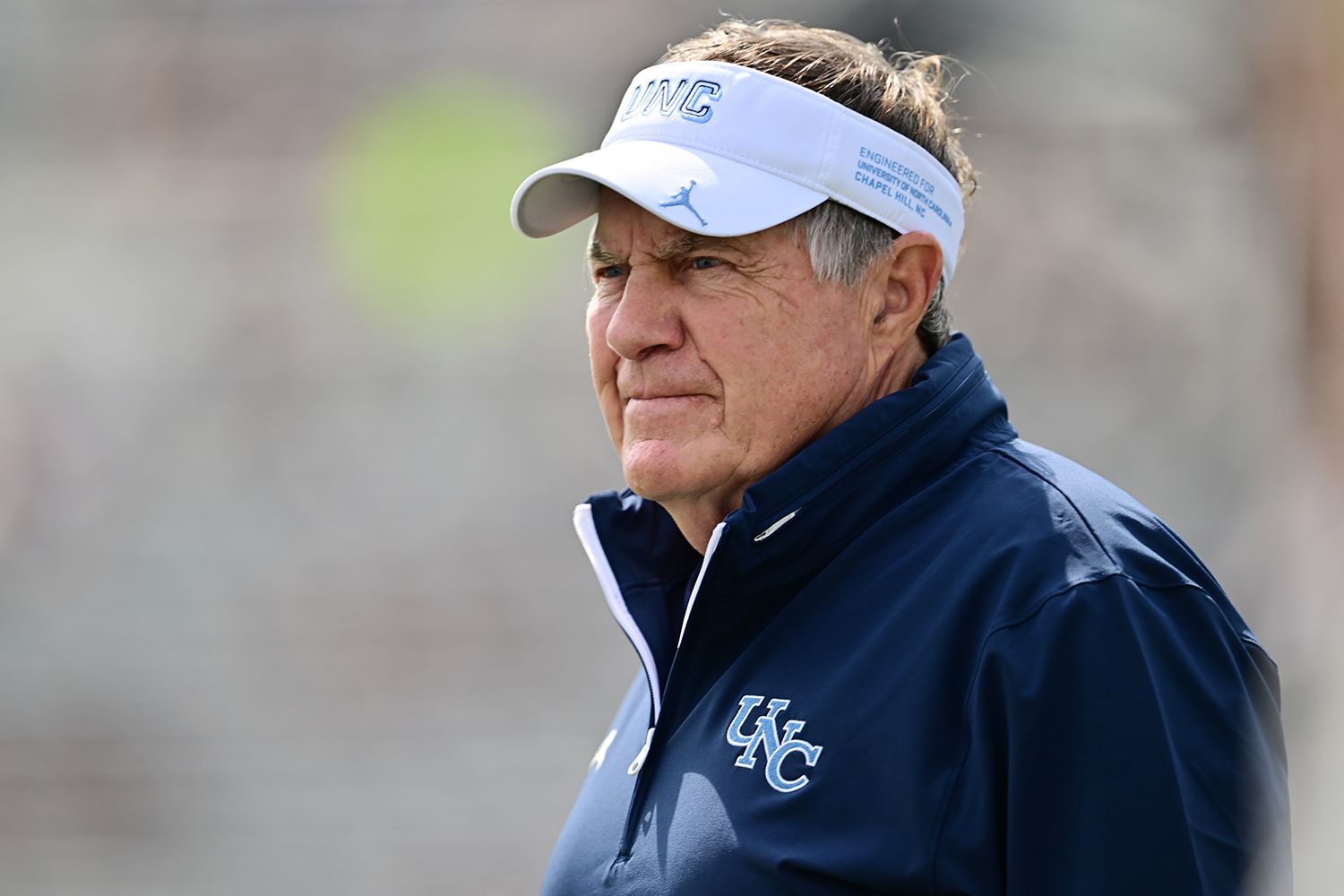
Fast forward to December 11, 2024—the day the University of North Carolina hired arguably the greatest NFL head coach of all time: Bill Belichick.
Why Chapel Hill?
Belichick’s resume speaks for itself:
- 6 Super Bowl Championships as head coach of the New England Patriots.
- 302 NFL regular-season victories (and 333 total wins counting playoffs).
- Hall-of-Fame icons coached, including Tom Brady, Tedy Bruschi, Rob Gronkowski, Randy Moss, and Corey Dillon.
It is easy to see why UNC came calling. But what appealed to a 74-year-old, future First-Ballot Hall-of-Famer about stepping down to the college ranks?
He’s a competitor.
Coaches like Bill Belichick simply cannot stay away from the game. Coaching is in his DNA, and he wants to go out on his own terms as a winner. Given that the Tar Heels have not won an outright ACC title since 1980, this massive rebuilding project was an irresistible challenge. He wants to build a program in Chapel Hill much like he built dynasties in Cleveland and New England.
Pro-Style vs. The College Reality
The NFL is a business run like a finely oiled machine; College Football, in its current state, is a chaotic landscape.
To succeed in college today, a coach must navigate endless hurdles:
- Recruit high school players and hope they stick to their commitments.
- Mine the transfer portal and instantly plug new arrivals into the system.
- Cultivate relationships with boosters, alumni, and donors to raise funds.
- Manage complex NIL (Name, Image, and Likeness) deals for roster retention.
- Walk a tightrope through strict, constantly shifting NCAA regulations.
There is endless red tape in college football, and it can turn sticky quickly if a program isn’t careful.
Year 1 Growing Pains & The Road Ahead
The Belichick era in Chapel Hill did not launch smoothly in 2025. On opening night in front of a national television audience, the Tar Heels were thumped 48–14 at home by TCU. Early struggles against power opponents like UCF, Clemson, Cal, and Virginia quickly set the tone. By November, UNC finished a disappointing 4–8 (13th in the ACC), prompting many fans to shift their focus early to basketball season.
However, anyone expecting Coach Belichick to wave a magic wand and flip a 4–8 roster overnight was living in a fantasy land. This was the hand he was dealt, and building a sustainable program is a long-term operation.
Looking Ahead to 2026
- Quarterback Development: Rising sophomore Gio Lopez showed flashes of real potential last season. While he threw just 10 touchdowns, he completed 65% of his passes with only 5 interceptions. That dual-threat versatility gives Belichick a moldable signal-caller to build around.
- Portal & Recruiting: Success moving forward will require Belichick and his staff to win major battles in both high school recruiting and the transfer portal.
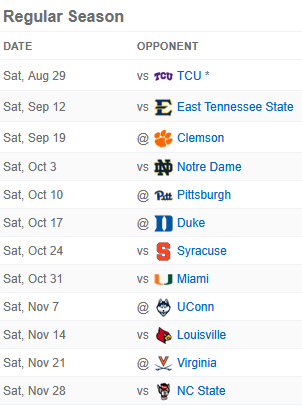
- Home Slate: Fortunately for UNC, their biggest tests in 2026—Notre Dame, Miami, and Louisville—will all be played at Kenan Memorial Stadium.
This is a massive opportunity for Belichick to show the world that he isn’t just an NFL mastermind or a “quarterback whisperer,” but a generational football mind who knows X’s and O’s better than anyone on the planet. Chapel Hill has long been known as a basketball school, but Belichick wants to turn it into a football powerhouse—and he has the drive to do it.

 JDubb's Sideline Report